

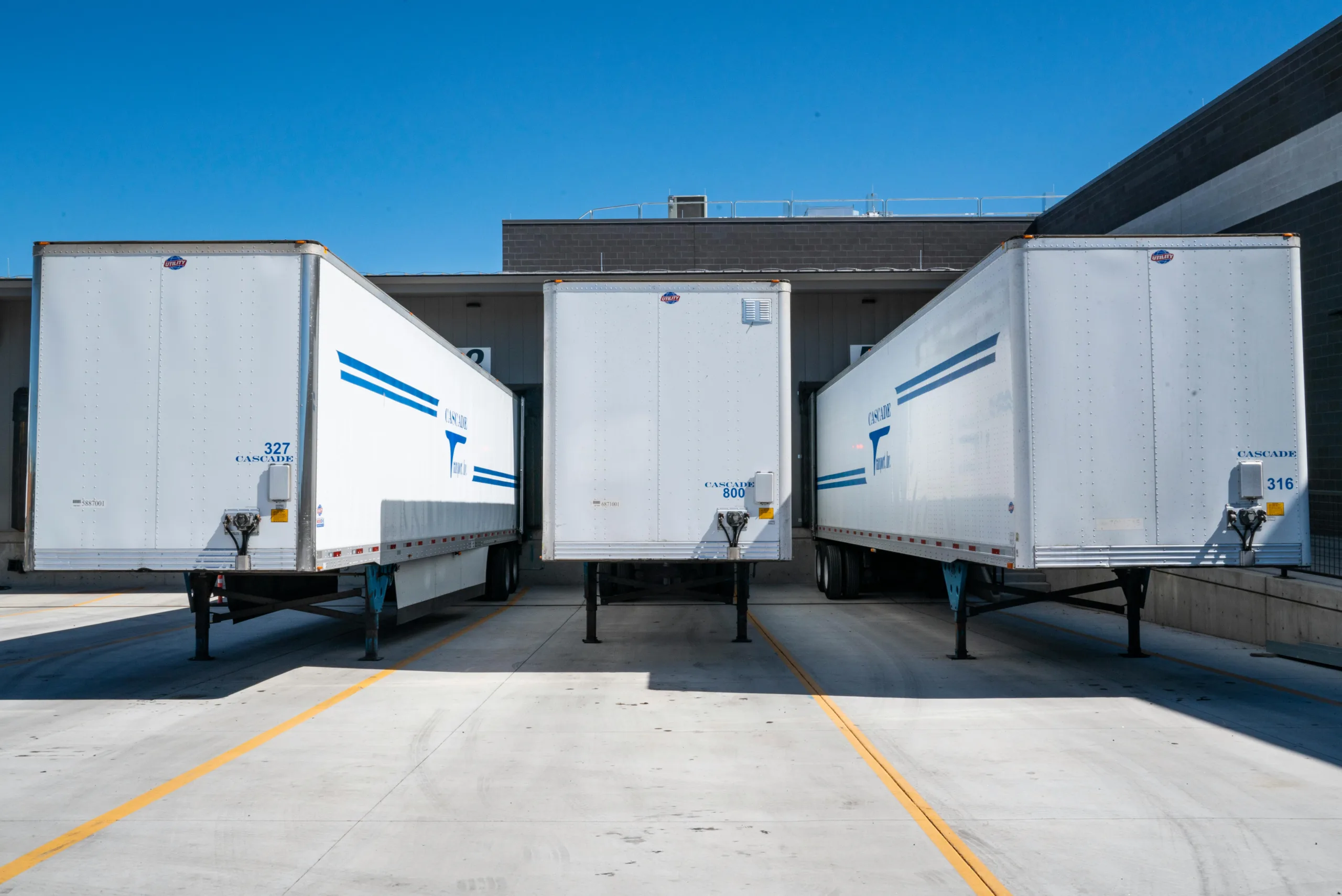
If you’ve ever looked at product labels and wondered “why is everything made in China” you’re asking one of the most common global economic questions. This topic matters not only to consumers, but also to businesses, supply-chain planners, and entrepreneurs worldwide.
In this article, we’ll break down why China became the world’s factory, how this affects global trade, and whether this trend is changing.
What Does “Made in China” Really Mean?
The phrase often reflects:
1.The product was manufactured or assembled in China
2.Chinese factories handled mass production
3.The global supply chain relies on China for components or materials
However, it does not automatically mean low quality—many high-end brands (Apple, Tesla suppliers, Samsung, Nike) use Chinese factories because of efficiency, not just low costs.
Why Is Everything Made in China? Low Production Costs
One of the biggest reasons why is everything made in China comes down to cost efficiency.
Key cost advantages:
1.Lower labor costs compared to orther countries
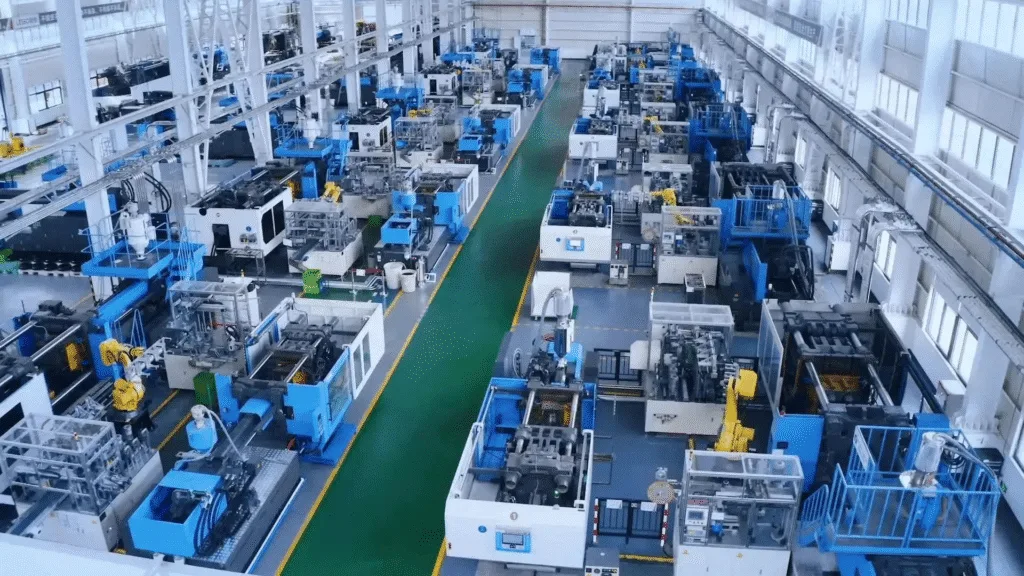
2.Large, skilled workforce specializing in mass production
3.Highly optimized factory systems
4.Economies of scale that reduce per-unit cost
China remains competitive due to these structural advantages.
China’s Unmatched Supply-Chain Ecosystem
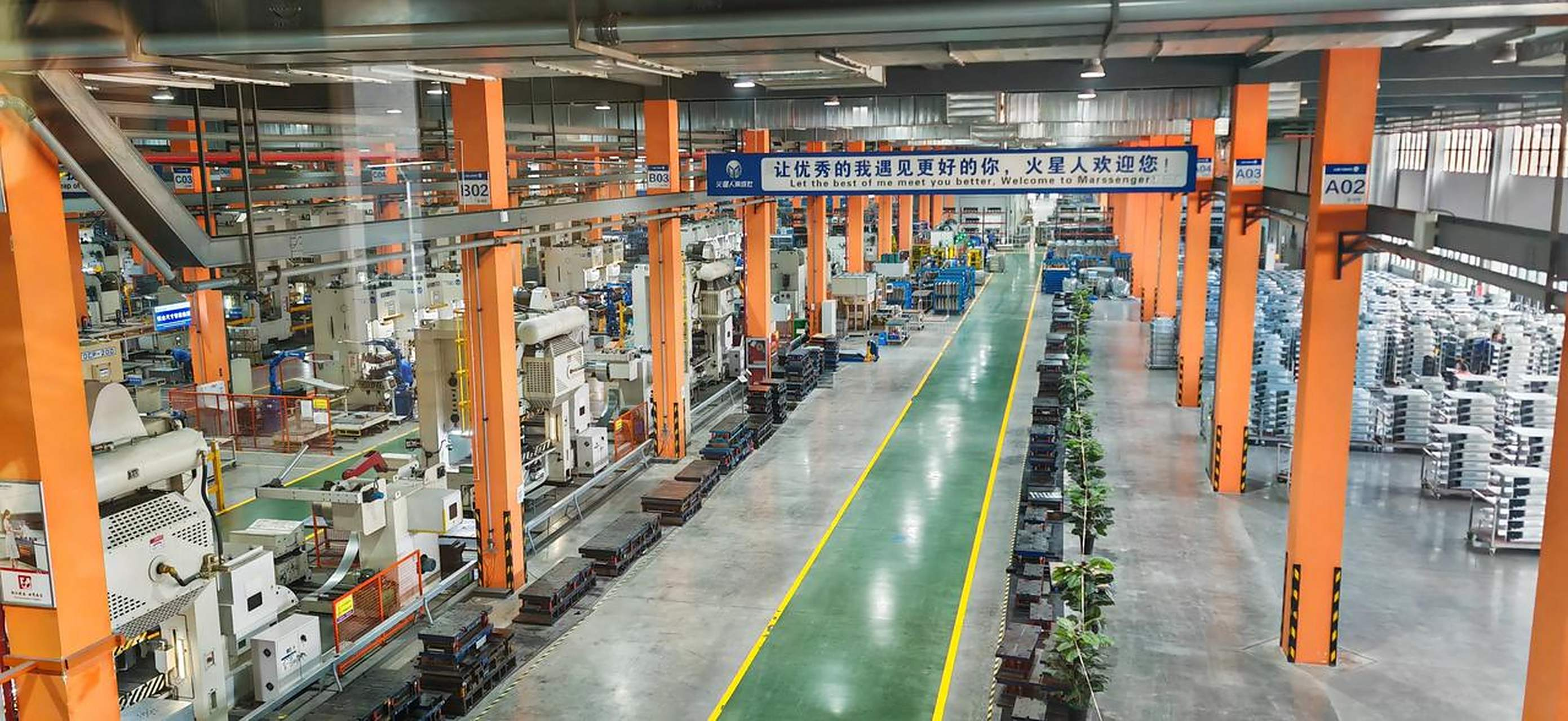
China built the world’s most dense manufacturing ecosystem.
What makes it unique?
1.Every component, tool, and raw material is locally available
2.Thousands of specialized suppliers in single regions
3.Fast turnaround times for prototypes
4.Strong logistics and port infrastructure
According to supply-chain researchers at the World Economic Forum, China offers the most complete manufacturing ecosystem on Earth—something no other country currently matches
Advanced Manufacturing Technology
Many people assume Chinese factories rely only on low-cost labor, but the opposite is true.
China invests heavily in:
1.Robotics
2.Automation
3.AI-driven production
4.Precision engineering
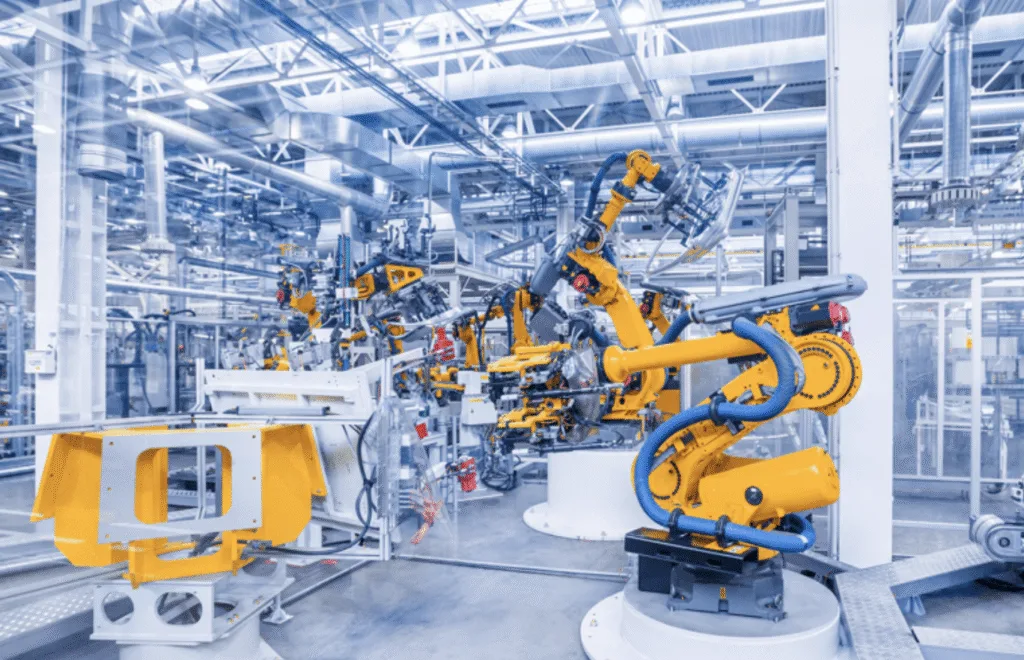
This combination makes China incredibly fast, flexible, and capable of scaling production globally.
Government Policies That Support Factories
China’s government strongly supports industrial growth through:
1.Tax incentives
2.Export rebates
3.Investment in ports and transportation
4.Manufacturing zones (SEZs)
5.Workforce development programs
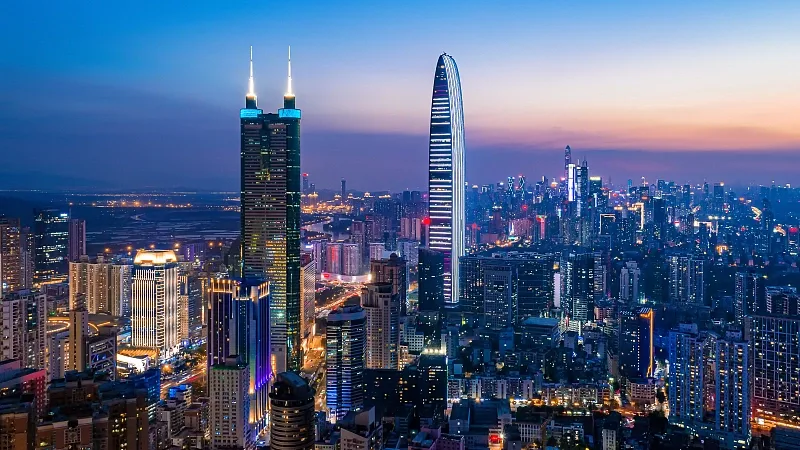
These policies reduce overall production costs and encourage foreign companies to build factories there.
Massive Export Infrastructure
China’s ports (like Shanghai and Shenzhen) are among the busiest in the world,We are the largest logistics company in Shenzhen.
Advantages include:
1.Faster shipment times
2.Lower international freight costs
3.Highly efficient customs processes
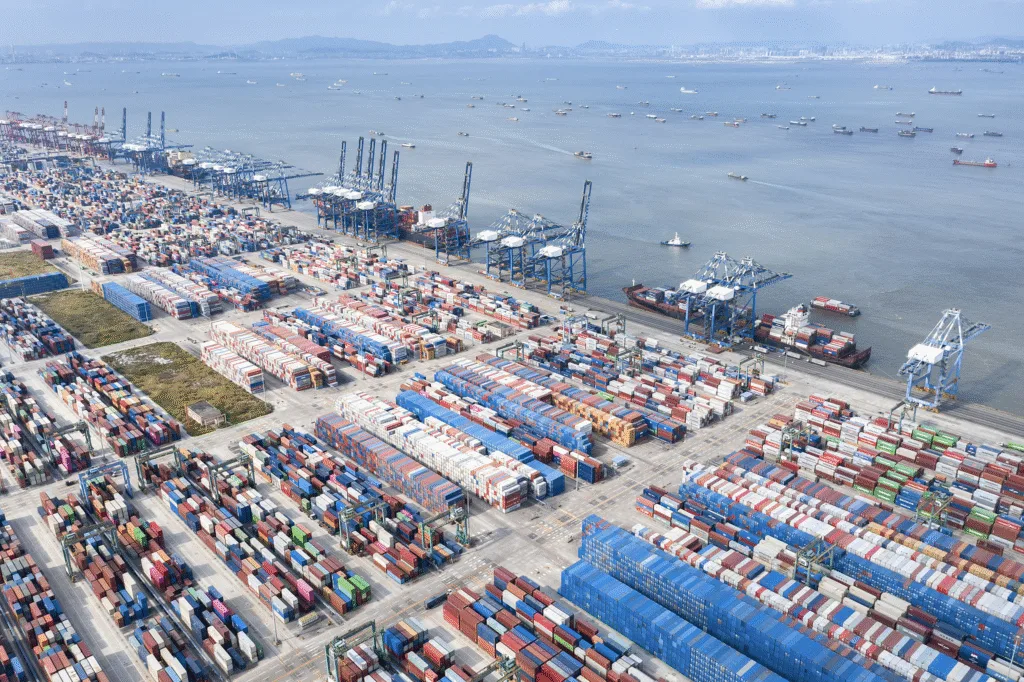
This makes China the easiest place for global brands to produce goods at scale.
Fast Prototyping and Innovation Speed
China’s ability to go from idea → prototype → mass production in record time is unmatched.
For example:
Shenzhen can produce electronic prototypes within days
Factories can adjust production lines overnight
Rapid iteration enables faster product launches
Yiwu Futian can turn your idea into a product overnight.
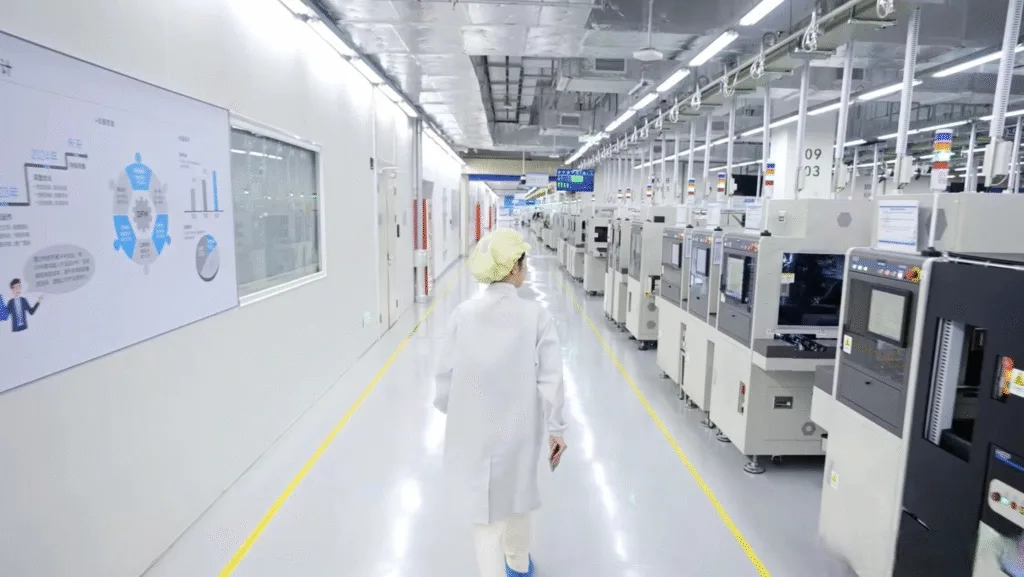
For startups and major brands, speed is money.
Is Everything Still Made in China? Trends Are Changing
While China remains dominant, a few shifts are happening:
Some companies are moving partial production to Vietnam, India, and Mexico
Supply-chain diversification is increasing
Automation reduces the importance of low-cost labor
Still, China’s ecosystem remains extremely difficult to replace.
How to buy direct from china
Find suppliers: Find suitable manufacturers through platforms like Made-in-China and Yiwubu, or through trading companies.
Negotiate prices and confirm details: Communicate all product details, including price, MOQ (Minimum Order Quantity), production cycle, packaging, and samples.
Quality control and payment: Receive samples first → Mass production → Inspection (yourself or a third party) → Secure payment (e.g., Alipay, PayPal, Letter of Credit).
Arrange international logistics: Choose express delivery, sea freight, or air freight, and handle customs clearance and taxes.
Sourcing from China isn’t difficult, but successfully buying the right goods is often more complex than imagined.
Difficulties in verifying supplier authenticity, fluctuating prices, discrepancies between samples and bulk orders, production delays, communication barriers, and cumbersome international logistics… any mishap at any stage can double costs, extend delivery times, or even result in the loss of an entire order.
Therefore, many importers seek partners capable of integrating all aspects of the process. These partners are familiar with the Chinese supply chain, help control quality and pricing, and can quickly resolve issues using local resources. Wolisourcing is an excellent choice in this regard.


[…] China continues to dominate global manufacturing, offering powerful advantages: […]
[…] offices in major manufacturing hubs (Shenzhen, Guangzhou, Yiwu) are […]
[…] a reliable sourcing agent acts as your local representative—especially when dealing with made in China […]
[…] China […]
[…] China remains the world’s largest wholesale and manufacturing hub. […]
[…] China dominates the global hotel equipment supply chain for several reasons. […]